

Eye On the Sky
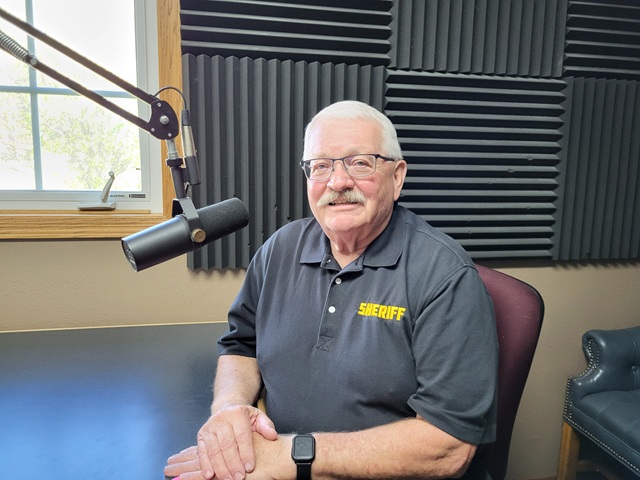
By Brookings County Emergency Management Director Bob Hill
9-04-2026
Labor Day is upon us already. This means that the State Fair and the 727th /DAV Poker Run will be occurring this weekend.
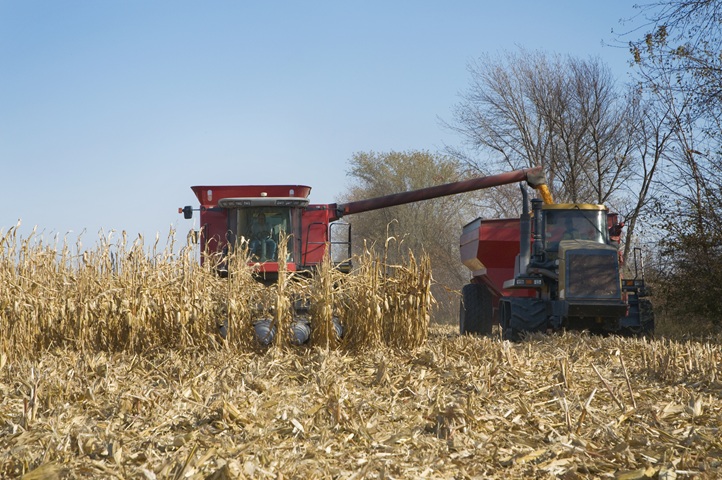
This week’s article is on the topic of “Harvest”. You know what this term means if you were born and raised in South Dakota. For us “Newcomers,” you might be surprised to see farm equipment driving down roads at speeds that in a big city would cause road rage. In South Dakota, it is a normal fact of life that we live with twice a year. Planting and Harvest times are the backbone of an agricultural-based economy. It may surprise some people, but your food does not magically appear at your favorite grocery store. It is all raised by our friends and neighbors, the farmers.
The following information comes from the South Dakota State University (SDSU) Extension Service, John Keimig, SDSU Extension Youth Safety Field Specialist. Used with permission.
If you have been on the roads lately, you have probably noticed that harvest has started. While seeing fields getting taken out is a pretty good visual reminder, other things that happen during harvest may not be as obvious. But all those things lead to sharing the road with agricultural producers.
What follows are some of the safety tips producers should implement to help fellow travelers accessing the roadways, along with tips for non-agricultural travelers accessing the roads at the same time. The goal is to remind all motorists of the need for extra vigilance and patience when utilizing motorways during harvest season.
It seems one of the facts of life is that agricultural equipment keeps getting bigger, and unfortunately, the road sizes seem to remain static. Occasionally a highway gets a facelift, and sometimes they add a little width. Drivers need to remember that when they are meeting equipment or coming up behind it, agricultural equipment is moving at a much slower rate than they are. This makes it important that you, as a driver, are not distracted. For instance, if you are traveling at the posted speed of 65 mph, and a combine is one half of a mile ahead of you traveling at 15 mph in the same direction, it would only take 36 seconds for the two of you to meet. Now say that there is only a quarter of a mile in between; the time has been halved to 18 seconds. The Department of Transportation says the average person sending or receiving a text takes the driver’s eyes away from the road for about 5 seconds. It would not take long for someone to lose concentration and find themselves dangerously close to having a collision.
Tips for Drivers
There are a few things that non-agricultural drivers can do to make their experience as pleasant as possible:
• Be patient when traveling behind slower-moving vehicles. Relax and enjoy the beautiful fall views in rural America. Most farmers will pull over when they are able to let you pass.
• When meeting farm equipment, pull to the right-hand side of the road to ensure a safe passage, looking ahead for any oncoming traffic. Note the conditions of the shoulder of the road. Do not pull too far right if the shoulders are soft.
• When passing machinery or trucks parked alongside the road, slow down and give room in case there is someone getting in or out of a piece of equipment.
• If passing machinery in the same lane, do not pass close to intersections or field entrances, as they may need to swing wide into the opposite lane in order to be able to navigate the corner. Do not assume they will always turn right. They may be making a left-hand turn.
• Practice safe, responsible driving. Do not assume that the operator can see you.
• Do not tailgate farm vehicles, as they may have to make sudden stops along the road.
Tips for Farmers
Farmers also have responsibilities for being good neighbors on the road. There are things they can do to make equipment transport as efficient and safe as possible:
• Ensure all safety lighting works and proper placards are in place; clean, visible, and properly mounted.
• Try to avoid areas with heavy traffic during peak times.
• Before moving equipment, make sure equipment and associated personnel can be seen.
• If equipment must be parked along the road, make sure it has been properly marked down the road to warn oncoming traffic.
• Mark the edges of equipment with reflective tape and reflectors.
• When moving multiple pieces of equipment, leave space between to allow vehicles safe passing areas.
• If you are working in wet conditions, clean tires before entering the highways to reduce adding clumps and hazards to the roadway.
• Move equipment in the daylight.
• Transport the combine and header separately when moving between fields.
• Producers should also stay off cell phones and stay vigilant of other traffic utilizing the road.
While nothing will prevent all accidents, if both parties use a little patience, common sense, and follow the suggested safety procedures, the chances of an accident occurring should be decreased.
Weather plays an important role in the harvest season. If there is no rain, then it goes according to schedule. A typical farmer’s day can start as early as 4 a.m. and go past midnight. As they finish one field, they move on to another one. This is where you get interaction between farmers and non-farmers.
I want to close out this article by mentioning that you will also see wildlife, such as deer, start to move more during harvest. During the summer months, they can hunker down in the fields, but as soon as the combines start moving, they can get spooked and start moving. Deer do not follow the “Rules of the Road” meaning they do not stop and look both ways before crossing the road. Please slow down if you know that a combine is in a nearby field; you never know what may cross the road unexpectedly.
As always, Keep an Eye on the Sky.
— Bob the EM